

FAMILY ENGAGEMENT
FAMILY ENGAGEMENT
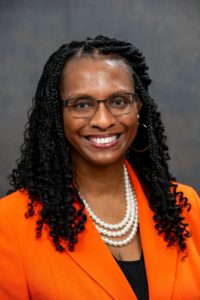
Dionne Webster
Director of Family Engagement and Student Supports and Elementary Leadership
dwebster@usd116.org
QUICK LINKS
Urbana School District #116 welcomes all families to be involved in their students’ academic growth. The success of family engagement in Urbana School District #116 is dependent upon the active participation of families and all school staff members (administrators, teachers, teaching assistants, office staff, and all members of the school community) working collaboratively together for one goal: to support student success. We all play a vital role in family engagement.
Family engagement includes:
- Meaningful family engagement is based on the premise that families, educators, and community members share responsibility for the academic, physical, social, emotional, and behavioral development of youth.
- Family engagement is fostered through a deliberate process that is embraced throughout the school.
- Family engagement empowers adults to jointly support student growth, addresses any barriers to learning, and ensures college and career readiness.
- Effective family engagement systems, policies, and practices are mindful of diverse school-communities that are rich in language, culture, and school experiences. They are responsive to student and family needs.
Family engagement is important because True engagement takes place when families and school staff work together, on an ongoing basis, to support and improve the learning and growth of students. When families, schools, and communities partner in promoting learning and healthy development for all children, schools thrive and student growth increases. Research indicates that when families are engaged with their children’s education, whether in school or at home, students perform better academically. Regardless of socio-economic background, students with involved families are more likely to earn high grades and test scores, enroll in higher-level programs, attend school regularly, exemplify positive behavior, and develop better social skills.
Family Engagement support includes, but is not limited to, the following staff members in Urbana School District #116: building administrators, classroom teachers, student education advocates, clinical professionals, social workers, counselors, family liaisons at the building and district level, and Family Academic Support and Engagement leaders.
Title I & Family Engagement
Title I (pronounced Title One) is the largest federal education grant program for elementary, middle, and high schools. The purpose of the Title I grant is to provide all children with an opportunity to receive a fair, equitable, and high-quality education to close achievement gaps. Title I funds are used in Urbana School District #116 to improve educational programming for all students. You may know Title I by other names such as No Child Left Behind, the College and Career Readiness Act, or more recently Every Student Succeeds Act/ESSA.
Title I is based on three main ideas:
- All students should work toward the same high standards. Title I’s job is to provide support to students who need it to make sure they reach the same standards as everyone else in their school or district. Standards describe what students should know and be able to do at each grade level.
- Local districts, schools, and parents know best what their students need to succeed. Title I allows them to decide how to use Title I funds to best support students and families.
- Parents are partners in helping all students achieve. ESSA places a strong emphasis on the need for districts and schools to actively engage with parents and family members. Parents have the right to be involved in their school’s decision-making process, and the responsibility to help their children succeed in school.
- Each Urbana School District #116 elementary school, middle school, and high school create Parent Compacts annually in collaboration with their families that outline how parents, students, and school staff will build and develop partnerships to help students achieve.
- All Urbana School District #116 principals host quarterly Community Round Table Meetings in their schools to collaborate and strengthen partnerships with their families.
Positive Behavior Interventions and Supports
Positive Behavior Interventions and Supports (PBIS) is a proactive systems approach for creating and maintaining safe and effective learning environments in schools and ensuring that all students have the social/emotional skills needed to ensure their success at school and beyond.”
The”PBIS Big Picture” refers to understanding the comprehensive framework PBIS and its impact on the entire school environment. It involves looking beyond individual incidents and considering the overall behavioral patterns and trends to inform targeted interventions and improvements. This includes examining data across different levels (school-wide, classroom, individual) and involving all stakeholders (students, staff, parents). PBIS places emphasis on:
- Teaching social behaviors in the same manner which academic skills are taught
- Being proactive – pre-correcting to ensure positive behaviors are displayed
- Modeling and practicing expected behaviors
- Reinforcing expected behaviors
- Building students’ self-esteem by stressing what students are doing well and what they are capable of achieving
- Actively supervising to prevent problem behaviors
The Four Elements of PBIS
Outcomes: Academic and behavior targets that are endorsed and emphasized by students, families, and educators. (What is important to each particular learning community?)
Practices: interventions and strategies that are evidence based. (How will you reach the goals?)
Data: information that is used to identify status, need for change, and effects of interventions. (What data will you use to support your success or barriers?)
Systems: supports that are needed to enable the accurate and durable implementation of the practices of PBIS. (What durable systems can be implemented that will sustain this over the long haul?)
THE “PBIS” BIG PICTURE
- Changing behavior takes time
- We cannot take dysregulated behavior personally; it is not about us
- Behavior is a form of communication
- Stressed brains cannot learn
- We have to educate the whole child, including their social-emotional learning.